


In the era of digital advancement, the traditional financial system is being transformed, and cryptocurrencies have gained significant popularity. An area that is seeing immense growth in the cryptocurrency field is the Czech Republic. Businesses are seeking to obtain the Czech crypto license to legitimize their operations within this space.
Cryptocurrency is a type of digital or virtual currency that utilizes cryptography for security. Its decentralized nature sets it apart from traditional financial systems, making it an exciting prospect for many businesses and individuals.
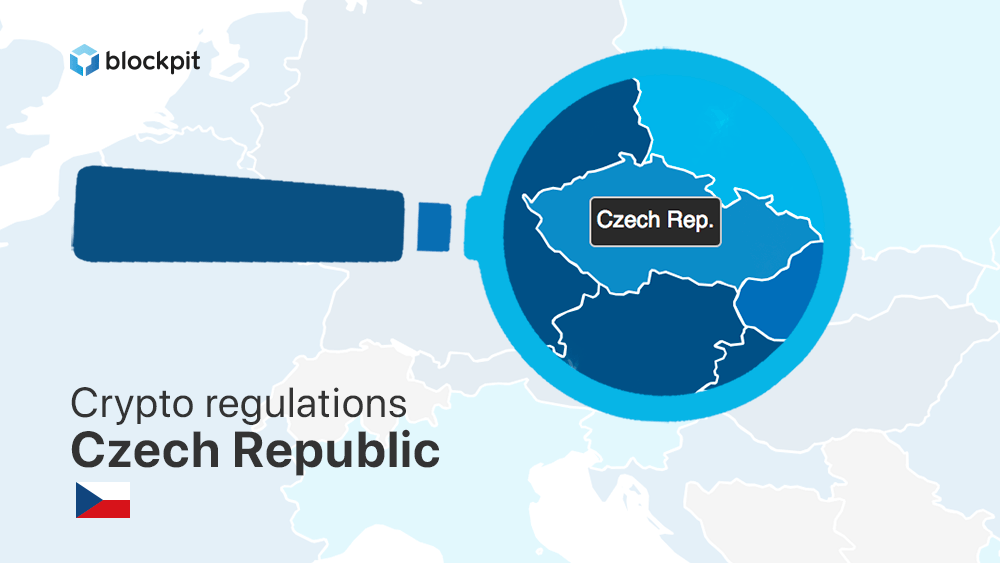
The Czech Republic, a central European country, is known for its robust economy and technological advancements. As the adoption of digital currencies increases globally, the Czech Republic has not been left behind. The country has seen a surge in cryptocurrency-related businesses, necessitating regulatory measures to ensure compliance and security.
The Czech Republic has established a legal framework to regulate cryptocurrency businesses. The aim is to provide security and transparency for businesses and customers. The key regulatory measure is the requirement for cryptocurrency businesses to obtain a Czech crypto license.
A Czech crypto license is a permit issued by the Czech Republic’s financial authority, granting a business the right to operate legally within the cryptocurrency space. This license validates a company’s operations, offering credibility and opening doors to more opportunities in the crypto market.
The acquisition of a Czech crypto license is crucial for businesses looking to operate in the cryptocurrency field. It not only legitimizes operations but also instills confidence among investors and users, thereby attracting more business opportunities.


To obtain a Czech crypto license, a company must fulfill several conditions. These range from having a company registered in the Czech Republic to complying with the country's anti-money laundering (AML) and know your customer (KYC) policies.
The cost of acquiring a Czech crypto license can vary depending on various factors such as the size of your business and the type of license needed. Businesses should consult with the financial authority to get an accurate estimate.
While obtaining a Czech crypto license can provide numerous benefits, it also comes with its share of challenges, including understanding and complying with the regulatory requirements, preparing the necessary documentation, and navigating the application process.
The process of obtaining a Czech crypto license involves several steps:




Obtaining a Czech crypto license allows a company to operate legally within the crypto market, enhances its reputation, and builds trust among customers and investors.
Once a Czech crypto license is obtained, businesses must adhere to the regulatory compliance stipulated by the Czech Republic’s financial authority to maintain their license. This includes regular audits and adherence to AML and KYC policies.
The Czech Republic has embraced the crypto revolution, providing a legal framework for businesses to operate in this space. Obtaining a Czech crypto license legitimizes a business’s operations, providing many opportunities in this rapidly evolving market.
As the crypto market continues to grow, so too does the need for regulation and transparency. The Czech Republic, with its legal framework and licensing requirement, offers a regulated environment for businesses to thrive. Obtaining a Czech crypto license is a step towards a successful journey in the world of cryptocurrency.

A Czech crypto license is a certification granted by the financial authorities in the Czech Republic, authorizing a business to operate in the cryptocurrency market legally within the country.
A business should obtain a Czech crypto license to ensure compliance with Czech laws, gain credibility, build customer trust, and gain access to a wide range of opportunities in the flourishing Czech cryptocurrency market.
Obtaining a Czech crypto license involves a process that starts with an initial consultation with the Czech financial authorities. Next is the preparation and submission of all necessary documents. Once the application is reviewed and approved, the company will be granted the Czech crypto license, allowing it to operate legally within the crypto market.
Some of the challenges in obtaining a Czech crypto license include understanding and complying with the intricate regulatory requirements, preparing all necessary documentation accurately, and navigating the often complex application process.
A Czech crypto license legitimizes a company's operations in the cryptocurrency market. This can enhance its reputation, instill confidence among investors and customers, and open doors to numerous opportunities in the crypto space.
The cost of acquiring a Czech crypto license can vary based on several factors such as the size of the business, the type of license needed, and the complexity of the application process. It's advisable to consult with the Czech financial authorities for an accurate estimate.
To maintain a Czech crypto license, businesses must adhere to the regulations stipulated by the Czech financial authority. This includes regular audits, reporting, and adherence to the country's Anti-Money Laundering (AML) and Know Your Customer (KYC) policies.